
Hospice nurses are skilled observers who recognize physical, emotional, and psychological changes that signal the approach of death. Their training and experience let them detect subtle shifts—such as changes in breathing, consciousness, appetite, and social withdrawal—and respond with compassionate care. By noting these indicators, hospice nurses support patients and families through practical needs and emotional transitions, helping provide comfort, dignity, and a sense of preparedness during life’s final stage. This article outlines over ten common observations to offer insight and reassurance to loved ones facing the end of life.
Appetite naturally declines
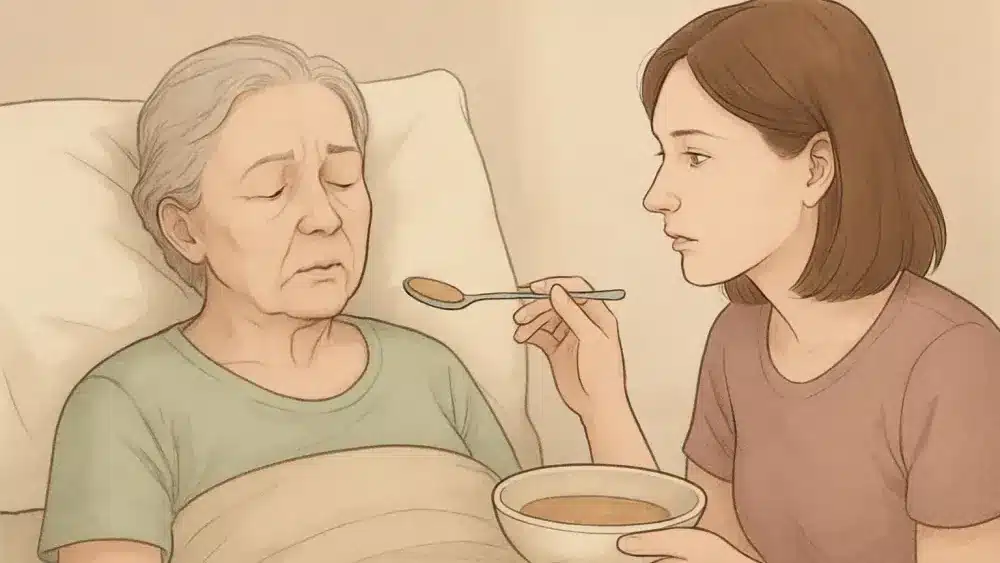
As the body winds down it often needs less food and fluid, so interest in eating or drinking fades. This reduced intake reflects the body conserving energy for vital functions and prioritizing comfort over nutrition.